Industrieachtergrond: Van natte materialen naar continue poederproductie
In sectoren zoals de chemische industrie, farmaceutische tussenproducten, kleurstoffen en agrochemicaliën, worden veel materialen verwerkt in de vorm van filterkoek, pasta of hoogviskeuze slurry. Deze materialen worden vaak gekenmerkt door een hoog vochtgehalte, sterke hechting en de neiging tot agglomeratie, wat uitdagingen kan opleveren voor conventionele droogsystemen.
Naarmate de productie zich beweegt richting continue operatie en consistente poederkwaliteit, nemen fabrikanten steeds vaker geïntegreerde oplossingen aan die droging, maalgraadvermindering en classificatie combineren. In deze context zijn roterende flitsdroogsystemen een praktische optie geworden voor het verwerken van pastachtige materialen.
Procesmechanisme: Hoe roterende flitsdroging werkt
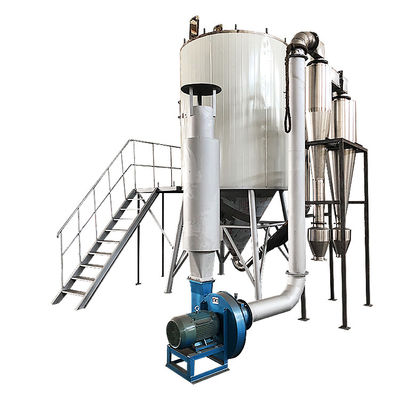
Een roterende flitsdroger werkt door de introductie van hete luchtstroom gecombineerd met mechanische agitatie en schuifkrachten. Nat materiaal wordt snel gedispergeerd en afgebroken in de droogkamer, waardoor efficiënt contact met hete lucht mogelijk is voor snelle warmte- en massaoverdracht.
Belangrijke proceskenmerken zijn onder meer:
- Integratie van vermalen, drogen en classificeren in één systeem
- Instelbare deeltjesgrootte via interne classifiers
- Korte verblijftijd, waardoor het risico op lokale oververhitting wordt verminderd
- Continue afvoer ondersteund door gas-solide scheidingssystemen
Dit ontwerp maakt effectieve behandeling van kleverige en vochtrijke materialen mogelijk.
Toepassingsscenario's in verschillende industrieën
Chemische en fijnchemische verwerking
Gebruikt voor pigmenten, kleurstoffen en harsen, helpt bij het verminderen van wandkleving en agglomeratie vereisen.
Farmaceutische tussenproducten
Ondersteunt toepassingen die gecontroleerde deeltjesgrootteverdeling en vochtgehalte vereisen.
Agrochemische productie
Geschikt voor continue droging van filterkoek en pastamaterialen met hoge vochtgehaltes.
Polymeer- en rubbermaterialen
Toegepast op viskeuze materialen, ter verbetering van de prestaties van downstreamverwerking.
Selectiegidsen: Apparatuur afstemmen op procesbehoeften
1. Materiaalkenmerken
Evalueer vochtgehalte, viscositeit, thermische gevoeligheid en beoogde deeltjesgrootte.
2. Verwerkingscapaciteit
Luchtstroomcapaciteit varieert doorgaans van 300 tot 30000 m³/u, afhankelijk van het model.
3. Deeltjesgroottebeheersing
Interne classificatiesystemen maken aanpassing van de uiteindelijke deeltjesgrootteverdeling mogelijk.
4. Warmtebronconfiguratie
Opties omvatten stoom-, elektrische verwarmings- of gassystemen, geselecteerd op basis van procesvereisten.
Industriële vooruitzichten: Naar geïntegreerde droogoplossingen
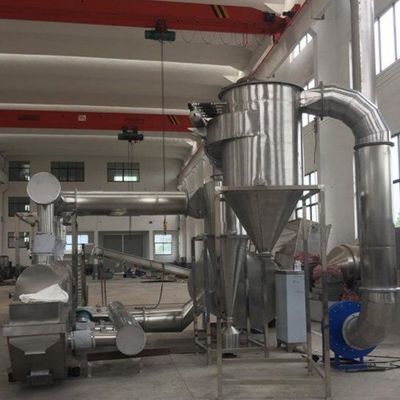
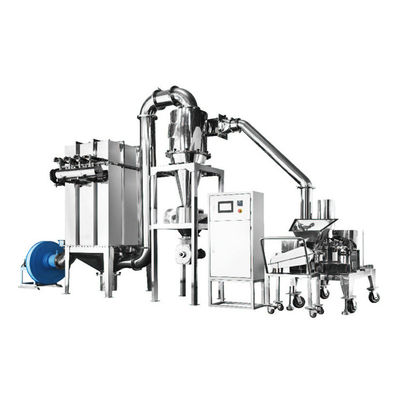
Roterende flitsdroogsystemen worden steeds vaker geïntegreerd in volledige productielijnen, inclusief upstream invoer- en downstream opvangsystemen, evenals stofverwijderings- en uitlaatbehandelingseenheden.


 Uw bericht moet tussen de 20-3.000 tekens bevatten!