1.Industriële achtergrond: Drogingsdoeltreffendheidsflessen in de productie van melkpoeder
In de zuivelverwerking is sproei drooging een cruciale stap voor de omzetting van vloeibare melk in poeder.en instabiel vochtgehalte, wat zowel de productiecapaciteit als de kwaliteit van het eindproduct negatief kan beïnvloeden.
2Belangrijkste uitdagingen: hoe lage efficiëntie de processtabiliteit beïnvloedt
-
1) Onvoldoende verdampingskapaciteit leidt tot beperkte productiecapaciteit.
Wanneer de verdampingsefficiëntie onvoldoende is, neemt de hoeveelheid vocht die per tijdseenheid wordt verwijderd af, waardoor de productie doorvoer rechtstreeks wordt beperkt, vooral in continuverwerkingslijnen.
-
2) Schommelingen van het vochtgehalte beïnvloeden de consistentie van poeders
Onstabiele uitlaattemperatuurregeling (meestal rond 80°C tot 90°C) kan resulteren in een inconsistent vochtgehalte, wat de stabiliteit en de doorlaatbaarheid van poeder beïnvloedt.
-
3) Ongelijke deeltjesverdeling beïnvloedt de oplosbaarheid
Slechte atomisering leidt tot ongelijke druppelgrootteverdeling, wat rechtstreeks van invloed is op de oplosbaarheid en de weerdispersiesprestaties.
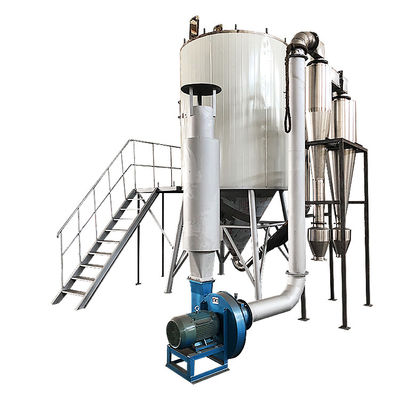
3.Procesoplossing: Voordelen van centrifugal spraydrogen
-
1)High speed centrifugal atomization bereikt stabiele deeltjesgrootte controle
Centrifugeerapparaten1500025000 t/mineen gelijkmatige druppelvorming mogelijk te maken, waardoor een consistente deeltjesgrootteverdeling wordt gewaarborgd.
-
2) Een hoge verdampingsefficiëntie ondersteunt de geïndustrialiseerde productie
Met geoptimaliseerde warmluchtdistributie en warmteoverdracht kunnen systemen95~98% vochtverdampingsdoeltreffendheid, ter ondersteuning van de industriële productie.
-
3)Temperatuurregeling verbetert de stabiliteit van het product
Inlaatluchttemperaturen worden doorgaans binnen140°C tot 350°C, waardoor een efficiënte drooging mogelijk is en tegelijkertijd warmtegevoelige componenten worden beschermd.
4Selectiegids: Belangrijkste overwegingen bij de verwerking van melkpoeder
Bij de keuze van apparatuur moeten fabrikanten zich richten op:
- Verdampingscapaciteit (kg/h)voor de doorvoer
- - Ik weet het niet.Versnellingsfrequentie van de atomizer (rpm)voor de consistentie van deeltjes
- Ik weet het niet.
- - Ik weet het niet.Temperatuurregeling (°C)voor materiaalcompatibiliteit
- - Ik weet het niet.Poederopvangspercentage (≥95%)voor systeemstabiliteit
5Conclusie: van efficiëntieoptimalisatie tot kwaliteitscontrole
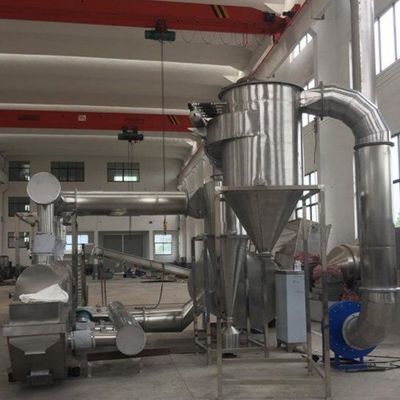
Voor de zuivelproducenten is de sproei droogmachine niet alleen een apparaat, maar een systeem datthermisch ontwerp, atomisering en procescontroleDoor middel van centrifugal sproei drooging en met de nadruk op de belangrijkste parameters kunnen producenten een stabiele productie en een consistente productkwaliteit bereiken zonder te vertrouwen op overdreven prestatieclaims.


 Uw bericht moet tussen de 20-3.000 tekens bevatten!